



Key Takeaways
-
Cold weather doesn’t have to derail your training — with a few adjustments, it can actually sharpen performance and consistency.
-
Your body needs longer warm-ups, smarter layering, and extra attention to hydration in colder conditions.
-
Strength training and outdoor cardio are both safe in winter, but recovery and joint care matter more.
-
The biggest risk in cold-weather training isn’t the cold itself — it’s rushing, under-fueling, or skipping recovery.
-
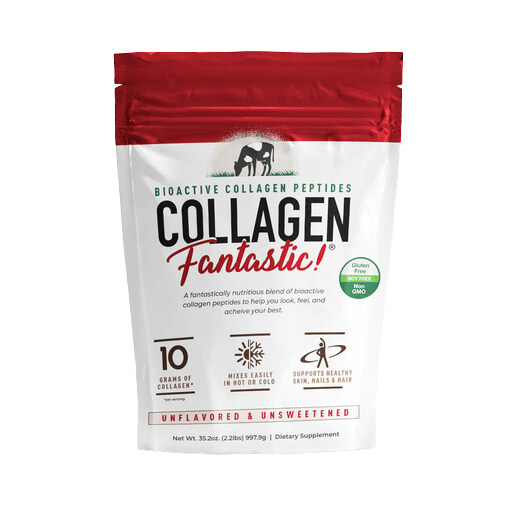
Whey Protein, Collagen Fantastic, and Creatine Fantastic support winter performance by improving recovery, preserving muscle, and protecting connective tissue.
Introduction: Winter Doesn’t Cancel Progress
There’s something about cold weather that makes even the most consistent people second-guess their routine.
The mornings are darker. The air feels harsh. Your body is stiffer when you wake up. Maybe your motivation dips, or your joints complain a little more than usual. It starts to feel like winter is against your fitness goals.
But here’s the truth:
Winter training can be one of the best things you do for long-term strength and resilience.
It builds grit without requiring intensity.
It keeps your metabolism active when movement naturally drops.
It protects your muscle mass and mobility through a season when most people lose them.
Cold weather doesn’t mean stopping. It just means training smarter.
Let’s walk through how to do that — safely, effectively, and in a way your body will thank you for in spring.
Why Cold Weather Feels Harder (Even When You’re Fit)
Cold changes how your body behaves.
1. Your muscles are less pliable at first
Lower temperatures reduce blood flow to the muscles early on. That means you feel tight, slower, and less “ready” until warmed up properly.
2. Your joints feel stiffer
Synovial fluid (the lubricant inside joints) thickens a bit in cold environments and takes longer to warm up. This can make movement feel creakier at the start.
3. Your body burns fuel differently
In the cold, your body uses more energy just to stay warm — even before you start training. That can increase fatigue if you’re under-fueling.
4. Your nervous system needs more time to turn on
Cold weather can delay your body’s ability to fully recruit muscle fibers quickly. You can still train hard, but you need extra “ramp-up.”
None of this is a signal to avoid training. It’s a signal to adjust your approach.
The Most Important Rule of Winter Training: Warm Up Longer
If there’s one winter training habit that matters more than any other, it’s this:
You cannot use a summer warm-up in winter.
A longer warm-up isn’t optional in cold weather — it’s injury prevention, performance support, and recovery insurance.
What a good winter warm-up includes
Phase 1: Raise body temperature (3–5 minutes)
-
brisk walk
-
light jog
-
jump rope
-
cycling
-
easy rowing
The goal is simple: get warm.
Phase 2: Mobilize joints (3–5 minutes)
-
hip circles
-
leg swings
-
ankle rolls
-
arm circles
-
thoracic rotations
You’re telling your joints, “We’re moving today.”
Phase 3: Activate key muscles (2–4 minutes)
-
glute bridges
-
bodyweight squats
-
band pull-aparts
-
bird dogs
-
walking lunges
This is your body’s “on switch.”
When you warm up this way, your workouts feel smoother, stronger, and safer — even on the coldest days.
Cold Weather Cardio: How to Train Outside Safely
Outdoor cardio in winter can be incredible. Crisp air, quieter routes, and a mental reset you don’t get indoors. But it does require strategy.
1. Start slower than you think you should
You’re warming your nervous system as much as your muscles.
First 5–10 minutes should feel easy.
2. Dress for the middle of the workout
A mistake many people make is dressing for the walk to the door. If you’re warm before you start, you’ll overheat mid-session.
Rule of thumb:
You should feel slightly chilly for the first 5 minutes.
3. Watch your surface
Ice, wet leaves, uneven sidewalks — winter terrain is unpredictable.
If balance feels compromised, shorten stride and slow down. It’s not weakness; it’s smart biomechanics.
4. Breathe through your nose early
Cold air can irritate airways if you start with aggressive mouth breathing.
Try nasal breathing in the warm-up phase to ease your lungs into the environment.
5. Don’t skip post-cardio recovery
Cold weather can make muscles tighten quickly after you stop moving.
Finish with:
-
3–5 minutes easy walking
-
gentle hip and calf stretching
-
hydration and protein within an hour
Strength Training in Winter: Same Goals, Slightly Smarter Execution
If you train indoors, winter is actually a great season for strength progress. You’re naturally more inclined toward structured workouts — and gyms aren’t as crowded as January approaches.
If you train at home or in a cold garage, a few tweaks matter.
1. Take longer ramp-up sets
Instead of jumping into working weight quickly, add one extra warm-up set for your first major lift.
2. Prioritize form over ego
Cold weather makes people feel slower and tighter. That’s normal. Respect it.
Heavy lifting is still safe — just do it with patience.
3. Use controlled tempo
A slightly slower lowering phase (eccentric) gives your connective tissue time to adapt and keeps movements smooth even if you’re stiff early.
4. Give joints a little extra love
Winter is when small joint frustrations become loud if ignored.
Even 5–8 minutes of daily mobility (hips, shoulders, ankles) can prevent a season of nagging stiffness.
This is also where Collagen Fantastic fits naturally — collagen supports the connective tissue that takes on more strain when your body is cold and movement quality is challenged.
Layering 101: What to Wear for Cold Weather Training
You don’t need fancy gear. You need smart layers.
Base layer: moisture-wicking
This keeps sweat off your skin so your body doesn’t chill mid-workout.
Middle layer: insulation
Fleece, long sleeve, or breathable thermal. Trap heat without trapping sweat.
Outer layer: wind and water protection
A light shell is enough for most days.
Extremities matter
Cold hands and feet can ruin a session before it starts.
-
gloves or mittens
-
warm socks
-
hat or headband
Simple rule: keep your core warm, and your extremities will follow.
Hydration in Winter: The Most Forgotten Performance Factor
Just because you don’t feel sweaty doesn’t mean you’re not dehydrating.
Cold air is dry. Winter breathing increases fluid loss. And thirst cues are weaker in low temperatures.
Dehydration in winter often shows up as:
-
fatigue
-
headaches
-
thicker soreness
-
cramping
-
sluggish performance
Winter hydration basics
-
drink water consistently through the day
-
increase intake around workouts
-
include warm fluids if that helps (tea, broth)
Hydration also improves how creatine works at the muscular level — creatine pulls water into muscle cells, supporting performance and recovery. That’s why consistent hydration pairs so well with Creatine Fantastic during winter training.
Nutrition Adjustments for Cold Weather Training
Winter training can increase energy needs. Not massively — but enough that under-fueling becomes easier.
1. Don’t let meals shrink just because movement shifts
Many people eat less in winter by accident, especially if they’re not training at the same intensity.
But muscle maintenance still requires protein and calories, even if your routine is shorter.
2. Prioritize protein at breakfast
Cold weather often reduces appetite early in the day.
A protein-forward breakfast stabilizes energy and makes you less snack-sensitive later.
Option: oats + fruit + Whey Protein
Easy, warm, and recovery-supportive.
3. Carbs are useful in cold weather
Carbohydrates help:
-
fuel training
-
maintain glycogen
-
keep body temperature stable
-
improve recovery
This is not the season to fear carbs. It’s the season to use them well.
4. Support recovery intentionally
Cold weather increases stiffness and slows “feel-good recovery signals.” You may not feel sore right away — and then feel it harder the next day.
A simple winter recovery stack:
-
Whey Protein post-workout
-
Creatine Fantastic daily
-
Collagen Fantastic for joints and tissue support
Winter is where recovery habits pay the biggest dividends.
How to Stay Consistent When Motivation Drops
Cold weather consistency is less about willpower and more about strategy.
1. Shorten the starting line
Don’t promise yourself an hour. Promise yourself 10 minutes.
Once you start moving, your body warms up and motivation follows.
2. Make your “minimum workout”
If time or energy is low, choose a simple baseline:
-
5-minute routine
-
20-minute walk
-
2 strength movements
-
mobility only
Doing something protects your identity as someone who trains year-round.
3. Set winter-specific goals
Winter is great for:
-
strength phases
-
mobility work
-
technique improvement
-
consistency streaks
-
recovery habits
Not every season has to be about peak performance. Some seasons are about building the base that lets peak performance happen.
4. Use routine cues
Tie training to something stable:
-
after coffee
-
before dinner
-
after work meetings
-
weekend mornings
Anchors beat motivation every time — especially in winter.
Common Winter Training Mistakes (and Easy Fixes)
Mistake 1: Skipping warm-ups
Fix: Add 5–8 minutes every session. It pays you back instantly.
Mistake 2: Overdressing
Fix: Dress for the middle of the workout, not the first step outside.
Mistake 3: Training through deep joint pain
Fix: Modify tempo, load, or movement. Pain is not a badge.
Mistake 4: Under-fueling
Fix: Keep protein steady and carbs supportive. Winter is not a reward-cut season.
Mistake 5: Letting a missed week become a missed month
Fix: Use minimum routines and shorten the barrier to entry.
Winter Training Is Longevity Training
One of the best gifts you can give your future self is staying consistent through the hard seasons.
Winter training:
-
preserves muscle when most people lose it
-
protects mobility
-
boosts mood and stress resilience
-
strengthens recovery systems
-
keeps routines alive year-round
If you can stay consistent in winter, you can stay consistent in anything.
Frequently Asked Questions
1. Is it safe to work out outside in cold weather?
Yes, as long as you dress appropriately, warm up longer, and adjust intensity at the start. Most healthy adults can train safely outdoors all winter.
2. Why do my joints feel stiff in the cold?
Cold reduces early blood flow and thickens joint lubrication temporarily. A longer warm-up and daily mobility usually solve it.
3. Should I change my training goals in winter?
Not necessarily, but winter is a great season for strength, technique, and recovery improvements. Use the season to build your base.
4. Do supplements help more in winter?
They can. Whey Protein supports consistent recovery when appetite or schedules are off.
Creatine Fantastic preserves energy and strength even if training is shorter.
Collagen Fantastic supports connective tissue resilience when stiffness and load stress increase.
The Bottom Line
Cold weather doesn’t stop progress — it teaches you how to train smarter.
If you warm up longer, dress strategically, hydrate intentionally, and fuel your recovery, winter becomes a season of strength, not setback.
Stay consistent through the cold months, and spring becomes a runway — not a restart.
And if you want a simple way to support winter performance and recovery, Fantastic Nutrition’s clean, evidence-based stack keeps you protected from the inside out.
Train through winter, and you don’t just stay on track — you build the kind of strength that lasts.