



Key Takeaways
-
Most everyday back pain isn’t a sign you’re “broken” — it’s often a mix of stiffness, weakness, and sensitivity that responds well to smart movement.
-
Strength training can reduce back pain long-term by building core stability, stronger glutes, and better posture under load.
-
The safest approach is gradual, controlled strength work paired with daily mobility and walking.
-
Avoiding movement usually makes backs more fragile; the goal is to rebuild tolerance to normal loads.
-
Protein consistency and recovery support help you rebuild muscle and connective tissue so training stays sustainable.
Introduction: Why Back Pain Feels So Confusing
Back pain is frustrating because it rarely fits one neat story.
You can feel great for weeks… then tweak something picking up a laundry basket.
You can train consistently… and still get a random flare-up.
You can rest for days… and feel worse when you finally move again.
If you’ve ever felt like your back is unpredictable, you’re not alone.
The good news is that most non-specific back pain (the kind without a clear injury or structural cause) responds best to a simple, boring, reliable strategy:
Build strength, restore movement, and increase tolerance slowly.
In other words — resilience.
This post will explain why strength training is one of the best long-term solutions for back pain, what to avoid, what to focus on, and how to return to training without fear or setbacks.
First, a Quick Reality Check
Back pain can come from many sources:
-
muscle strain
-
stiff hips or upper back forcing the low back to overwork
-
weak glutes and deep core stabilizers
-
too much sitting and too little variation
-
training load increases too fast
-
stress and poor sleep increasing pain sensitivity
-
disc or nerve irritation (less common, but important)
That means no blog post can diagnose your exact situation.
So here’s the safe framework:
If you have numbness, tingling down a leg, loss of strength, changes in bowel/bladder function, fever, unexplained weight loss, or pain from trauma — get checked by a medical professional before training through it.
For everything else, the principles below apply to the majority of active adults.
Why Rest Alone Usually Doesn’t Fix Back Pain
Rest feels like the obvious answer.
And short-term rest can be helpful after an acute flare.
But long periods of rest do something sneaky:
They reduce your back’s load tolerance.
Muscle gets weaker.
Connective tissue stiffens.
Movement patterns get more guarded.
Your body starts protecting the area more aggressively.
Then the next time you lift something normal, the back feels fragile again.
The solution isn’t to stop moving.
The solution is to move in ways that rebuild confidence and capacity.
Strength Training: Why It’s a Long-Term Back Pain Solution
A resilient back is less about “perfect posture” and more about strength and control through real movement.
Strength training helps because it:
-
Builds the support system around the spine
Deep core muscles, glutes, and upper-back stabilizers reduce the load your low back has to absorb by itself. -
Improves tissue capacity
Your back becomes more tolerant to normal loads — carrying groceries, picking kids up, lifting at the gym. -
Restores movement confidence
Fear of movement increases sensitivity. Building strength reduces fear. -
Corrects imbalance over time
Many people have strong quads and weak glutes, or stiff hips and mobile low backs. Strength training addresses that.
The goal isn’t to “protect your back by never bending.”
It’s to make your back strong enough to bend safely.
The Three Drivers of Back Resilience
1. Strong Glutes
If your glutes are asleep, your low back becomes the default mover.
That shows up as:
-
low back soreness after walking or running
-
“back dominant” squats or deadlifts
-
tight hip flexors
-
discomfort after standing long periods
Glutes are the engine of hip extension.
If they’re weak, your back takes over.
In back-friendly training, glutes are priority #1.
2. Deep Core Stability (Not Just Abs)
A strong core isn’t about crunches.
It’s about:
-
keeping your spine stable while your limbs move
-
resisting unwanted twisting or collapsing
-
distributing force through the trunk
Think of the core like a brace that lets you move powerfully without “leaking” stability.
That’s what keeps backs calm under load.
3. Mobility Where You Need It
Back pain often comes from your low back compensating for stiffness elsewhere.
Common culprits:
-
tight hips
-
stiff upper back (thoracic spine)
-
limited ankle mobility
-
tight hamstrings pulling on pelvic position
Mobility doesn’t need to be a 45-minute yoga session.
Even 5–8 minutes daily of targeted mobility can change how your back feels during training.
Back-Friendly Strength Principles
These are the rules that help almost everyone train safely with a sensitive back.
Principle 1: Start With Control, Not Intensity
If you’re returning from pain, your body needs to trust movement again.
That means:
-
slower tempo
-
lighter loads
-
fewer sets
-
clean technique
The goal is confidence first.
Load second.
Principle 2: Use “Pain Rules,” Not “Fear Rules”
A simple approach:
-
0–2/10 pain during training: safe to continue
-
3–4/10: modify load, range, or tempo
-
5+/10: stop and choose a different movement
Also watch what happens after training:
-
if soreness settles within 24 hours, you’re in a good zone
-
if pain spikes for days, you did too much too soon
Principle 3: Keep a Neutral Spine, But Don’t Panic About Flexion
Neutral spine helps distribute load well.
But spines are built to move.
The issue isn’t bending.
It’s bending under load without control.
So aim for:
-
strong bracing
-
stable torso
-
controlled ranges
-
no rushing
Principle 4: Progress Gradually (Slower Than Your Ego Wants)
Most back flare-ups happen after:
-
a big jump in load
-
a sudden spike in volume
-
trying to “catch up” after a layoff
A safe progression rule:
Increase load or volume by 5–10% per week, not 30%.
Your tissues adapt slower than your motivation.
The Best Movements for Back Resilience
This is not a rigid plan — just the highest-value patterns.
1. Hip Hinge Variations
Hinging teaches your hips to do the work.
Examples:
-
Romanian deadlifts (light to moderate)
-
kettlebell deadlifts
-
cable pull-throughs
-
good-morning patterns at low load
Focus on:
-
hips back
-
glutes engaged
-
neutral spine
-
slow tempo
2. Squat Patterns (Pain-Adapted)
Squats are great when done within a range you control.
Back-friendly options:
-
goblet squats
-
box squats
-
split squats
-
step-ups
Depth is not mandatory.
Control is.
3. Glute-Focused Work
These are often the true game-changers.
-
glute bridges and hip thrusts
-
single-leg RDLs
-
reverse lunges
-
lateral band walks
-
cable kickbacks
If you can strengthen your glutes consistently, many backs calm down dramatically.
4. Core Stability Patterns
Focus on resisting movement first:
-
dead bugs
-
bird dogs
-
side planks
-
Pallof presses
-
suitcase carries
These teach your spine to stay solid while your body moves.
5. Upper-Back Strength
A strong upper back helps posture and ribcage position, reducing low-back compensation.
-
rows
-
face pulls
-
reverse flyes
-
lat pulldowns
-
band pull-aparts
You want your back to be supported from top to bottom.
Movements to Be Careful With (Not Forever, Just For Now)
Some movements cause flare-ups more often when you’re rebuilding tolerance:
-
heavy spinal flexion under load (especially fatigued)
-
fast twisting or combined twist + bend motions
-
high-rep sit-ups/crunches if back-sensitive
-
very heavy barbell back squats or deadlifts early in rehab
-
explosive “jerky” movements without warm-up
Important: this doesn’t mean these movements are inherently bad.
It means:
re-introduce them later, when your base is stronger.
Your Warm-Up Matters More Than You Think
A back-friendly warm-up is not optional.
You want:
-
raise temperature
-
mobilize hips/upper back
-
activate glutes and core
-
ramp into working sets
Even 8–10 minutes makes training feel totally different.
If your back is sensitive, the warm-up is part of the workout.
The Role of Walking and Daily Movement
Walking is one of the best back-resilience tools because it:
-
increases circulation
-
reduces stiffness
-
keeps tissue moving
-
calms the nervous system
Most backs like daily low-intensity movement more than they like rest.
Even 15–30 minutes a day is a win.
Back Pain Isn’t Just Physical
This matters.
Pain is affected by the nervous system — not only structures.
Things that increase sensitivity:
-
high stress
-
poor sleep
-
under-fueling
-
dehydration
-
long sedentary stretches
-
anxiety around movement
This is why you can have “no injury” but still feel real pain.
The fix is multi-layered:
-
strengthen tissue
-
improve movement
-
lower systemic stress
-
fuel recovery
Nutrition for Back Recovery
Your back is tissue.
Tissue needs building blocks.
Protein consistency
Aim for protein at 3–4 meals per day to support muscle repair and connective tissue recovery.
Enough carbohydrates
Carbs matter because they fuel training quality.
Under-fueling carbs often increases fatigue, making form worse and pain more likely.
Hydration
Low hydration increases stiffness and tension.
If you’re training, hydration becomes part of pain prevention.
Supplements as supports
-
Whey Fantastic helps you hit protein targets effortlessly, especially on busy days.
-
Creatine Fantastic supports training output and recovery capacity, helping you rebuild strength without feeling drained.
-
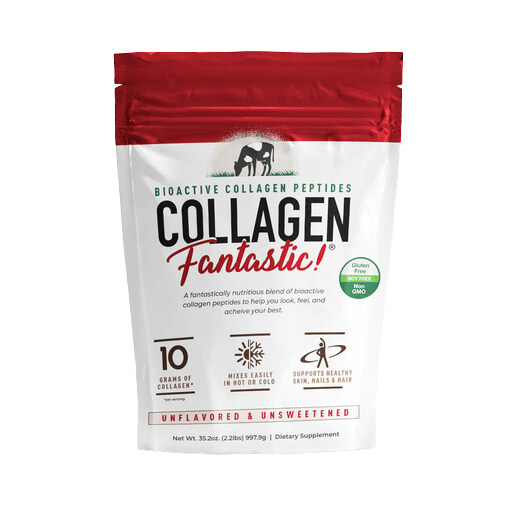
Collagen Fantastic supports connective tissue (tendons, ligaments, fascia), which often needs extra support as training volume rises.
The goal is not “supplements to fix pain.”
The goal is to support the recovery environment while training does the real work.
A Simple “Return to Training” Strategy
If your back has been flared up or you’ve been avoiding the gym, use this staged approach:
Phase 1: Restore movement tolerance
-
walking daily
-
light hinges
-
glute bridges
-
core stability
-
keep pain low
Phase 2: Rebuild strength
-
goblet squats
-
RDL variations
-
split squats
-
rows
-
carries
-
2–3 days/week
Phase 3: Re-introduce heavier loading
-
barbell lifts if desired
-
slower progression
-
maintain warm-ups and core work
You don’t jump from pain to PRs.
You climb back up calmly.
The Bottom Line
Back pain doesn’t mean you need to stop training.
For most active adults, it means you need to train smarter:
-
strengthen glutes and core
-
hinge and squat with control
-
progress gradually
-
warm up longer
-
walk daily
-
fuel recovery consistently
A resilient back isn’t one that never aches.
It’s one that can handle life and training without falling apart.
Strength is the long-term solution.
Frequently Asked Questions
1. Should I stop lifting if my back hurts?
Not automatically. If pain is mild and improves with movement, you can often keep training with modified load, range, or tempo. Severe or radiating pain should be checked by a professional.
2. Are deadlifts bad for back pain?
Deadlifts aren’t inherently bad. The key is starting with hinge variations you control, keeping loads moderate, and progressing gradually.
3. What’s better for back pain: stretching or strengthening?
Most people need both. Mobility restores joint motion, while strength builds load tolerance. Strength is the long-term driver of resilience.
4. How long does it take to feel better?
Many people feel improvements within 2–4 weeks of consistent glute/core work and gradual strength training. Long-term resilience builds over months.