



Key Takeaways
-
Carbs don’t automatically get stored as fat — they’re your body’s preferred fuel for training and recovery.
-
The real issue isn’t carbs; it’s carb quality, timing, portions, and total daily context.
-
Strength training increases how well your body uses carbs by improving insulin sensitivity and glycogen storage.
-
Most active adults do best with carbs around workouts and paired with protein and fiber at meals.
-
You can fuel performance, maintain a lean physique, and enjoy carbs year-round without “earning” them through punishment.
Introduction: Carbs Aren’t the Villain — Confusion Is
Carbs are probably the most misunderstood nutrient in fitness culture.
One side says carbs are essential for performance.
The other says carbs are the reason you gain fat.
And most people are stuck in the middle, eating them cautiously, feeling guilty, or avoiding them until they “deserve” them.
Here’s the truth:
Carbs are not inherently fat-storing.
They are a fuel source — and for strength training, they’re a very helpful one.
The question isn’t whether carbs are good or bad.
The question is:
How do you use carbs to support strength goals without feeling like they’re working against you?
That’s what this post is about. Not extreme rules. Not carb fear. Just a better system.
What Carbs Actually Do in Your Body
Carbs have one core job: provide energy.
When you eat carbs, they break down into glucose. Your body uses glucose for:
-
powering workouts
-
supporting brain function
-
fueling daily movement
-
replenishing muscle glycogen
-
regulating hormones and mood
If carbs are needed right away, they’re burned.
If glycogen stores are low, they’re stored in muscle and liver.
Only when energy intake consistently exceeds what you use do carbs contribute to fat gain.
That last part matters.
Carbs don’t magically turn into fat the moment you eat them. They become fat only in a surplus over time.
Why Strength Training Changes the Carb Story
One big reason lifters can handle carbs well is that lifting trains your body to use carbs better.
Strength training:
-
increases insulin sensitivity
-
increases muscle glycogen capacity
-
increases the number of glucose transporters in muscle
-
makes your muscles more “hungry” for carbs
Translation:
When you lift, carbs are more likely to go to muscle — not fat storage.
That’s why people often notice something interesting when they start consistent strength training:
They eat more carbs…
and still look leaner.
Because their training is “pulling” those carbs into muscle work and recovery.
The Real Reasons People Feel Like Carbs Make Them Gain Fat
Carbs get blamed for a few things that aren’t actually carb problems.
1. Portions creep up quietly
Carb foods are easy to over-serve: pasta, chips, granola, bread, desserts.
It’s not the carbs — it’s the volume relative to your needs.
2. Low fiber, high-processed carbs don’t satisfy
A bagel by itself won’t keep you full like a bowl with carbs + protein + fiber.
So you snack more later.
3. Carbs aren’t paired with protein
Protein slows digestion, improves satiety, and supports muscle repair.
Carbs without protein often feel like a quick high then crash.
4. Carbs are eaten in a low-movement day pattern
If you’re sedentary for long stretches, carbs don’t have a clear job to do.
They’re still fine — but they’re more likely to feel “heavy” or lead to mindless snacking.
5. Carb fear creates rebound
People restrict carbs for days, then binge later.
That swing makes it feel like carbs are the problem, when the real issue is deprivation.
Carb Quality: Not All Carbs Act the Same
Carbs aren’t one category. The type matters.
Higher-quality, “performance-friendly” carbs:
-
potatoes or sweet potatoes
-
rice, quinoa, oats
-
fruit
-
beans and lentils
-
whole-grain bread or pasta
-
squash, corn, peas
These come with fiber, vitamins, minerals, and a slower energy release.
Lower-quality, “easy-to-overdo” carbs:
-
pastries, candy, soda, sugary cereals
-
ultra-processed snacks
-
refined white flour products without fiber
-
large amounts of alcohol-paired carb meals
These aren’t “bad.”
They’re just easier to overshoot and don’t support training the same way.
The goal isn’t to ban fun carbs.
It’s to anchor your carb intake in whole foods, then enjoy treats without guilt.
Carb Timing for Strength: The Three Best Windows
You don’t need to micro-time carbs, but a simple rhythm helps.
1. Before workouts
Carbs pre-training improve:
-
energy output
-
performance
-
mental focus
-
strength endurance
If you train early, even something small helps.
Examples:
-
banana + yogurt
-
toast + nut butter
-
oatmeal + whey
-
rice cake + honey + protein
-
fruit smoothie
2. After workouts
Carbs post-training help restore glycogen and support muscle repair.
Protein rebuilds muscle fibers.
Carbs refill muscle fuel.
Together they speed recovery and protect lean mass.
Examples:
-
whey shake + fruit
-
chicken + rice
-
eggs + potatoes
-
tofu + noodles
-
yogurt + granola + berries
3. Earlier in the day (especially after 40)
Midlife bodies often feel best when carbs are used to support activity, not after long sedentary days.
Carbs at breakfast or lunch can:
-
stabilize energy
-
reduce evening cravings
-
bring performance earlier
-
improve sleep quality later (because your hunger hormones stay calmer)
How Much Carbs Do Strength People Need?
There isn’t one perfect number, but there is a useful range.
A simple way to think about it:
Light activity / maintenance
-
carbs mostly from meals
-
focus on quality and pairing
-
1–2 cupped handfuls per meal
Strength training 3–5x per week
-
carbs daily
-
more around workouts
-
2–3 cupped handfuls total across meals
-
higher on training days
High-volume strength + cardio
-
carbs become central fuel
-
3–5 cupped handfuls across the day
-
performance will drop without them
If you’re training hard and you feel fatigued, flat, or slow to recover, you probably need more carbs — not less.
The “Carb Pairing” Rule That Changes Everything
If you want carbs to feel supportive — not destabilizing — use this rule:
Carbs are best paired with protein and fiber.
Why?
-
Protein slows the glucose rise and supports muscle repair.
-
Fiber slows digestion and improves satiety.
-
Together they make carbs work steadily instead of spiking.
Examples:
-
rice + salmon + veggies
-
oats + whey + berries
-
potatoes + eggs + greens
-
beans + quinoa + chicken
-
toast + Greek yogurt + fruit
This is how carbs become fuel instead of a rollercoaster.
Using Carbs for Lean Muscle (Without Bulking)
You can absolutely use carbs to build muscle while staying lean.
Here’s the real formula:
-
Strength train consistently
-
Hit protein daily
-
Use carbs to support workouts
-
Keep total calories appropriate for your goal
Carbs help training quality, which helps muscle growth.
Muscle growth supports leanness.
The key is avoiding the two extremes:
-
“carbs are the enemy”
-
“carbs are unlimited”
Instead:
Carbs are a tool. Use as needed.
What “Carbs Make Me Puffy” Usually Means
People often say carbs make them feel bloated or puffy.
That can happen — but it’s not fat gain.
What’s actually happening:
-
Carbs store as glycogen in muscle.
-
Glycogen pulls water with it.
-
Your muscles become fuller and more hydrated.
This is a good thing for performance.
It’s not body fat.
It’s also why people sometimes weigh more during a carb-higher week and look better.
Your body is storing fuel and hydration where it belongs.
Carbs and Fat Loss: Can They Coexist?
Yes. Absolutely.
Fat loss is driven by overall energy balance and consistency over time, not carb elimination.
Carbs can help fat loss by:
-
supporting better workouts
-
preserving muscle mass
-
reducing cravings
-
improving daily movement energy
The diet that works best is the one you can sustain without mental warfare.
If cutting carbs makes you feel miserable, tired, and snack-obsessed, it’s not a good plan.
A Simple Carb Strategy for Real Life
Here’s a non-tracking approach that works for most active adults.
On training days:
-
include carbs at pre-workout and post-workout meals
-
keep carbs present in at least 2 meals
-
anchor in whole foods
On rest days:
-
keep carbs, just slightly reduce portions
-
focus on protein + veggies + a moderate carb serving
-
don’t “punish” yourself with restriction
Weekly rhythm:
-
80–90% whole-food carbs
-
10–20% fun carbs
-
no guilt either way
Consistency beats perfection way more than carb micromanagement.
Carbs After 40: Why You Still Need Them
After 40, a lot of people start fearing carbs more — often because body composition feels trickier.
But here’s what changes after 40:
-
you recover slower without fuel
-
low carb can increase cortisol
-
muscle preservation becomes priority
-
sleep quality becomes more sensitive to under-fueling
-
energy crashes hit harder
Carbs are not optional in midlife strength training.
They’re a supportive tool for:
-
workout intensity
-
recovery
-
mood stability
-
thyroid health
-
long-term consistency
You don’t need huge amounts.
But you do need enough to train well and recover well.
How Fantastic Nutrition Fits Into Carb Success
Carbs don’t work alone.
They work as part of a system.
Whey Fantastic
Protein ensures carbs go toward muscle repair, not cravings.
Pairing carbs + whey after training is one of the simplest performance upgrades you can make.
Creatine Fantastic
Creatine improves training output and energy.
When training quality goes up, carb utilization improves because your muscles have a clearer job for glycogen.
HMB in your formula also supports lower muscle breakdown, especially helpful in midlife or higher-volume training weeks.
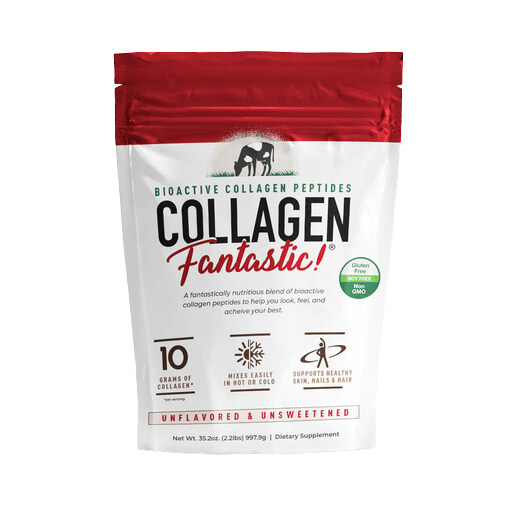
Collagen Fantastic
When carbs help you train harder, connective tissues experience more load too.
Collagen supports tendons and joints so your training stays consistent, not interrupted.
Carbs fuel the work.
Protein and smart supplementation support the adaptation.
Common Carb Mistakes (and How to Fix Them)
Mistake 1: Saving all carbs for nighttime
Fix: move some to breakfast and post-workout.
Mistake 2: Treating carbs as something to “earn”
Fix: treat carbs as fuel you budget for activity, not as a reward.
Mistake 3: Eating mostly low-fiber refined carbs
Fix: anchor carbs in whole-food sources, add fiber.
Mistake 4: Cutting carbs too low, too long
Fix: increase gradually until energy and training improve.
Mistake 5: Ignoring protein pairing
Fix: add a protein anchor to every carb-containing meal.
A Real-World Example Day
Breakfast
Oats + Whey Fantastic + berries + almonds
Lunch
Chicken or tofu bowl with rice, roasted vegetables, olive oil
Snack
Greek yogurt + fruit
Dinner
Salmon + potatoes + greens
Treat
Cookie or dessert if you want it, enjoyed without spiral
This is a balanced, performance-supportive carb day.
No tracking required.
The Bottom Line
Carbs don’t make you gain fat.
Carbs are not a moral issue.
Carbs are fuel.
If you strength train, carbs help you:
-
train harder
-
recover faster
-
preserve muscle
-
stay consistent
-
feel energized in daily life
The real solution isn’t eliminating carbs.
It’s using them intentionally:
-
higher-quality sources
-
paired with protein + fiber
-
centered around workouts
-
matched to your activity
-
enjoyed without guilt
That’s how carbs support strength and a lean, healthy body.
Frequently Asked Questions
1. Are carbs necessary for strength training?
You can lift without carbs, but performance and recovery are usually better with them. Carbs provide glycogen, which fuels strength output and training volume.
2. What kind of carbs are best for lean muscle?
Whole-food carbs like potatoes, oats, rice, fruit, beans, and whole grains. They provide steady energy, fiber, and micronutrients.
3. How do I reduce carb cravings?
Eat carbs paired with protein and fiber, especially earlier in the day and after workouts. Cravings often come from under-fueling or uneven meals.
4. Should I eat fewer carbs on rest days?
Slightly fewer is fine, but you don’t need to cut them out. Rest days still require fuel for recovery and muscle maintenance.