


Key Takeaways
-
A short routine done consistently beats perfect workouts done occasionally.
-
Five minutes of compound, full-body movement helps maintain muscle, metabolism, energy, and mood during busy holiday weeks.
-
The goal isn’t to replace your training plan — it’s to keep the habit alive and your body “online.”
-
This routine uses simple movement patterns: squat, hinge, push, pull, core, and carry-style stability.
-
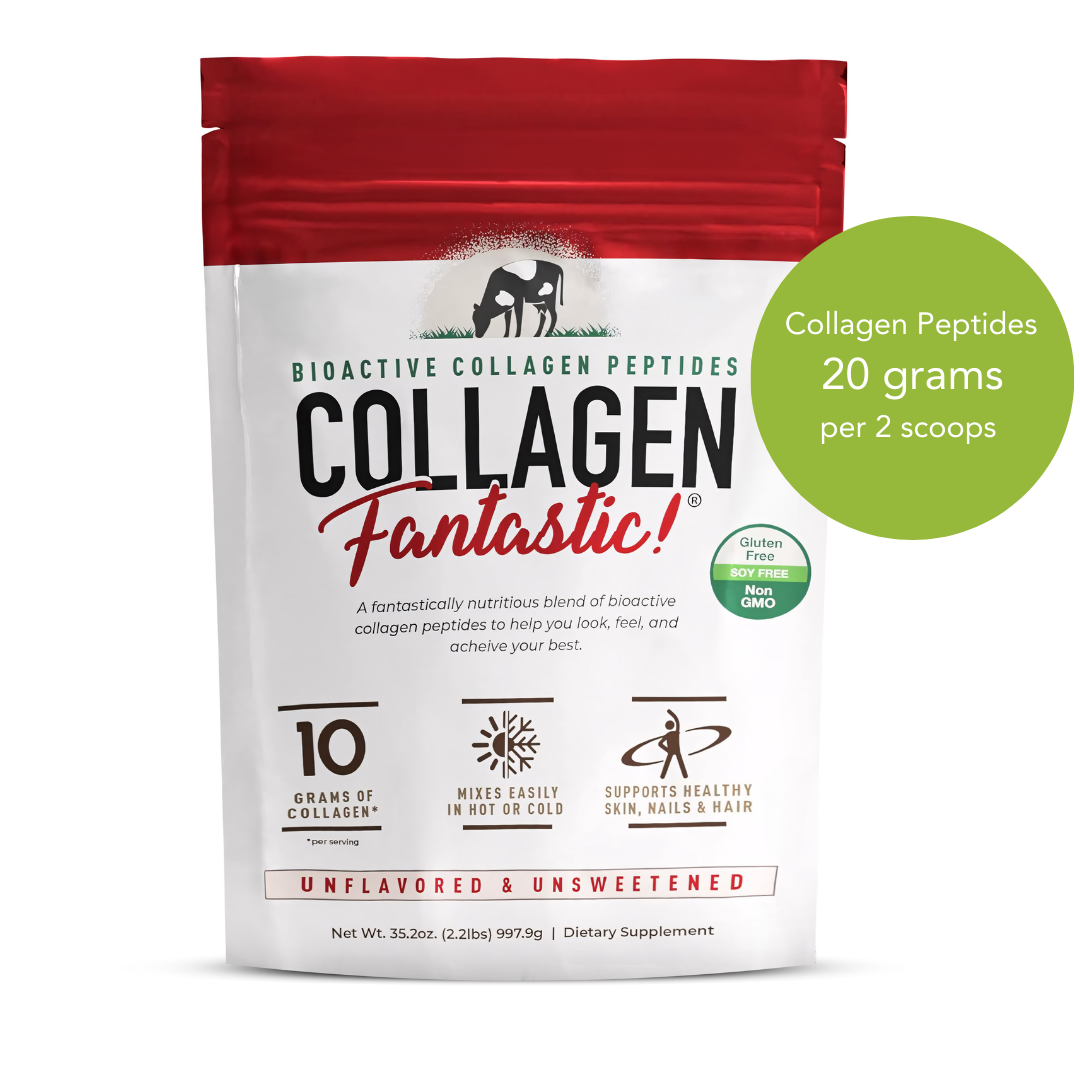
Pairing quick workouts with protein, hydration, and recovery support (Whey Protein, Collagen Fantastic, Creatine Fantastic) makes holiday consistency easier and more sustainable.
Introduction: Why Five Minutes Works Better Than Zero
The holidays are a weird season for fitness.
There are more meals, more travel days, more late nights, and fewer predictable routines. Even people who love training find themselves thinking, “I’ll get back to it in January.”
But here’s the truth:
You don’t lose progress because you miss a workout.
You lose progress when missing workouts becomes a habit.
That’s why a five-minute routine matters. It’s not about burning huge calories or hitting a personal record. It’s about keeping your training identity intact:
“I’m someone who moves.”
“I’m someone who keeps my body strong.”
“I don’t need perfect conditions to stay consistent.”
Five minutes is short enough to fit into any day — and meaningful enough to protect momentum until life settles down again.
Let’s make it simple, effective, and doable anywhere.
What This Routine Is (and Isn’t)
This routine is:
-
A minimum effective dose to maintain strength
-
A holiday “bridge” that keeps your muscles active
-
A fast way to boost energy and mood
-
A habit safeguard for busy weeks
-
Beginner-friendly and scalable
This routine isn’t:
-
A replacement for your full training plan
-
A fat-loss bootcamp
-
Something you need to overthink
-
A reason to push through pain
Think of it like brushing your teeth. Five minutes isn’t glamorous, but it’s powerful because it’s consistent.
The Routine: Five Minutes, Full Body
How it works:
-
Five movements
-
One minute each
-
Minimal rest
-
Focus on clean form and steady effort
-
Modify as needed
You can do this:
-
At home
-
In a hotel room
-
At the park
-
Between meetings
-
Before a holiday meal
-
While your coffee brews
All you need is bodyweight. Optional: a backpack, dumbbells, or a resistance band if available.
Minute 1: Squat Pattern
Option A: Bodyweight Squats
-
Feet shoulder-width
-
Chest tall
-
Hips back and down
-
Stand up fully, squeeze glutes at the top
Option B: Chair Squats (beginner or joint-friendly)
-
Lightly tap a chair each rep
-
Use the chair to control depth
Option C: Goblet Squats (if you have a dumbbell/kettlebell/backpack)
-
Hold weight at chest
-
Same squat pattern, more resistance
Why this matters:
Squats protect leg strength, balance, and metabolism. After 40, leg strength is one of the biggest predictors of long-term independence and energy.
Minute 2: Hinge Pattern
Option A: Hip Hinge “Good Mornings”
-
Hands on hips
-
Soft knees
-
Push hips back
-
Feel hamstrings load
-
Return to standing
Option B: RDL with Backpack or Dumbbells
-
Hold weight close to body
-
Neutral spine
-
Hips back
-
Stand tall, squeeze glutes
Option C: Glute Bridges (if hinging bothers your back)
-
Lie on back
-
Feet planted
-
Drive hips up
-
Squeeze glutes
-
Lower slowly
Why this matters:
Hinges strengthen your posterior chain — glutes, hamstrings, low back — which protects your spine, posture, and power.
Also a great moment to remind readers that collagen supports connective tissues under hinge load.
Minute 3: Push Pattern
Option A: Push-Ups
-
Hands under shoulders
-
Body in one line
-
Lower under control
-
Press up strong
Option B: Incline Push-Ups
-
Hands on a countertop, sofa, or bench
-
Easier on shoulders and core
-
Same technique
Option C: Floor Press with Dumbbells or Backpack
-
Lie down
-
Press weight straight up
-
Control descent
Why this matters:
Pushing maintains upper-body strength for daily function — pushing doors, getting up from the floor, carrying kids or luggage.
The push pattern also helps counteract holiday posture (lots of sitting, driving, lounging).
Minute 4: Pull Pattern
Pulling is tricky without equipment — so here are flexible options.
Option A: Towel Rows (hotel-friendly)
-
Loop a towel around a sturdy doorknob
-
Lean back slightly
-
Pull chest toward towel
-
Squeeze shoulder blades
-
Control the return
Option B: Backpack Rows
-
Hinge slightly
-
Row backpack toward ribs
-
Pause at top
-
Lower slowly
Option C: “Pull-Apart” with a Band
-
Arms straight
-
Pull band apart
-
Squeeze upper back
-
Slow return
Option D: Prone “W-Raises” (no equipment)
-
Lie face down
-
Elbows bent in a W shape
-
Lift elbows and hands off floor
-
Squeeze upper back
-
Lower with control
Why this matters:
Most people push more than they pull. Pulling strengthens the upper back and shoulders, improves posture, and reduces neck/shoulder tension — which is especially helpful during travel-heavy weeks.
Minute 5: Core + Carry-Style Stability
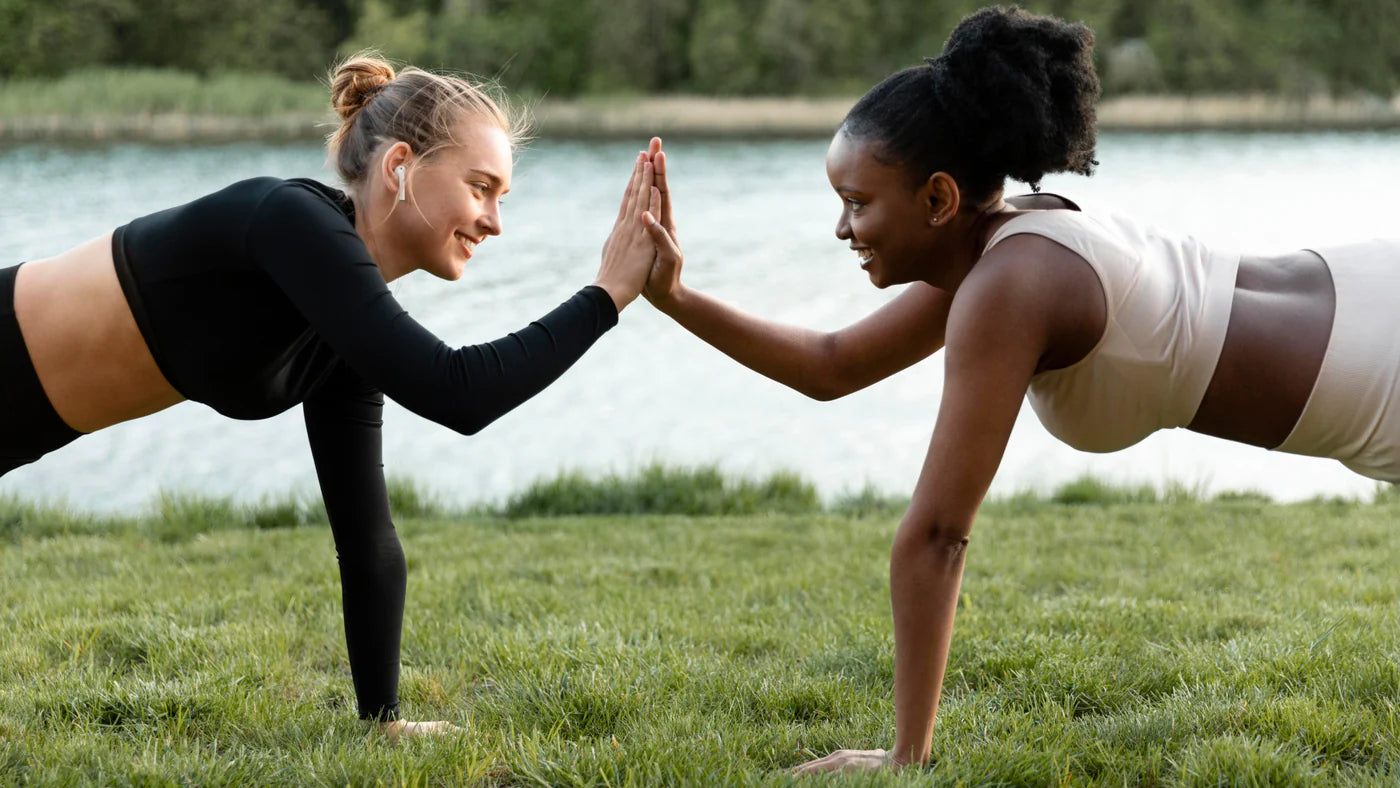
Option A: Plank
-
Elbows under shoulders
-
Glutes tight
-
Ribs down
-
Breathe slow
-
Hold as long as possible with good form
Option B: Dead Bug
-
Lie on back
-
Arms up, knees bent
-
Extend opposite arm and leg
-
Keep back flat
-
Alternate sides slowly
Option C: Suitcase March (carry-style, if you have a weight)
-
Hold backpack or dumbbell in one hand
-
Stand tall
-
March in place slowly
-
Switch hands halfway
Why this matters:
Core stability is your foundation for every other lift. Carry-style work also trains balance, posture, grip, and real-world strength.
This is one of the best five-minute “insurance policies” you can do for your body.
How Hard Should It Feel?
Think moderate effort — not all-out.
You should feel:
-
Warm
-
Slightly breathless
-
Muscles engaged
-
Better afterward
But not:
-
Dizzy
-
Painful
-
Destroyed
The purpose is consistency, not exhaustion.
How to Scale It Up or Down
If you’re brand new:
-
Move slowly
-
Focus on range of motion
-
Take breaks whenever needed
-
Aim for good reps over fast reps
If you’re experienced:
-
Add a backpack for load
-
Increase tempo on squats and hinging
-
Add a pause at the bottom of each movement
-
Try to keep moving the full minute
If you’re sore or low energy:
-
Do half speed
-
Reduce range slightly
-
Swap in gentler versions (bridges, incline push-ups, dead bugs)
This routine meets you where you are.
The “Holiday Consistency Plan”
This routine works best as a simple anchor. Here’s how to use it:
Option 1: Daily Micro-Workout
Do it once a day through the holidays.
Five minutes daily beats missing a week and trying to restart later.
Option 2: On “Busy Days Only”
Use it on days you can’t do a full workout.
It protects the habit loop.
Option 3: Pre-Meal Activation
Do it before a holiday meal.
It boosts digestion, stabilizes appetite, and makes you feel connected to your body before you eat.
Option 4: Travel Default
No gym? No problem.
This becomes your travel routine.
Why This Routine Protects Your Results
Even short bouts of resistance training help maintain:
-
Muscle protein synthesis
-
Neuromuscular coordination
-
Joint range of motion
-
Insulin sensitivity
-
Mood and energy
During the holidays, you’re not chasing peak fitness. You’re preserving the foundation — and that foundation makes January smooth instead of painful.
Recovery and Nutrition: Small Workout, Big Support
A five-minute routine still benefits from recovery habits, especially when you’re inconsistent with meals or sleep.
Here’s the simple holiday stack that fits your brand naturally:
Whey Protein
-
Helps hit daily protein targets even when meals are random
-
Supports muscle maintenance from small workouts
-
Stabilizes hunger and cravings
A quick shake after this routine keeps your protein anchor intact.
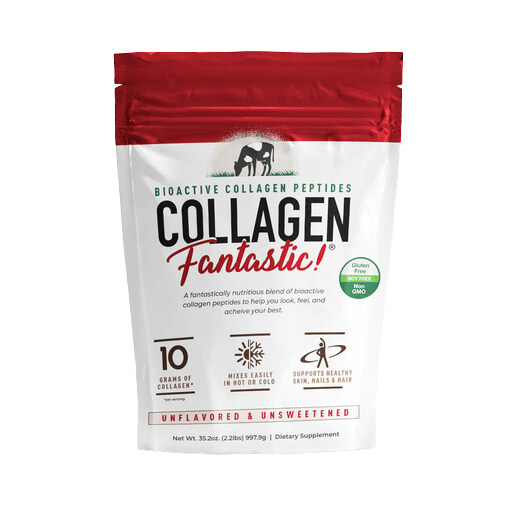
Collagen Fantastic
-
Supports tendons, ligaments, and joint comfort
-
Helpful when movement patterns shift (travel, snow, long walks, shopping days)
-
Easy to add to coffee, tea, or oatmeal
Connective tissues take longer to recover than muscle. Collagen makes holiday training smoother and more comfortable.
Creatine Fantastic
-
Preserves strength and muscle energy stores even when workouts are shorter
-
Helps recovery between scattered training days
-
myHMB reduces muscle breakdown during stressful weeks
The holidays are exactly when creatine shines — because consistency matters more than intensity.
Making Five Minutes Feel Automatic
Want this to truly stick through the season? Pair it with an existing habit:
-
After brushing your teeth
-
While coffee brews
-
Before your shower
-
Right after you wake up
-
Before dinner prep
-
As a “reset” after work
When it’s attached to something you already do, it stops feeling like a decision. It becomes routine.
If You Miss a Day
You’re human.
Missing a day doesn’t erase progress. It’s the response that matters.
Just return the next day.
No punishment. No double workouts. No guilt-cycling.
Consistency is built by returning — not by never slipping.
Frequently Asked Questions
1. Can five minutes really maintain strength?
Yes. While it won’t replace full progressive training, it keeps neuromuscular pathways active, maintains muscle engagement, and protects your habit identity — which prevents long holiday drop-offs.
2. Should I do this routine if I’m sore?
If soreness is mild, yes — just decrease intensity and move slowly. If soreness feels sharp or joint-related, swap to gentler variations (bridges, incline push-ups, dead bugs) or take a rest day.
3. How often should I do it during the holidays?
Anywhere from 3–7 days per week depending on your schedule. The more hectic your season, the more helpful daily five-minute anchors become.
4. Do I need to take protein or creatine on days I only do this routine?
Yes, especially if your goal is muscle maintenance and energy. Protein supports repair even from short training, and creatine works best with consistent daily intake.
The Bottom Line
Holiday fitness doesn’t require perfection.
It requires a simple, repeatable anchor you can keep no matter what your schedule looks like.
This five-minute compound routine:
-
keeps your muscles active
-
protects your metabolism
-
stabilizes your mood and energy
-
maintains your training identity
-
makes your January comeback feel effortless
Pair it with protein, hydration, and recovery support, and you’ll move through the season feeling strong — not derailed.