


Key Takeaways
-
After 40, the goal isn’t to train like you’re 25 — it’s to train like you want to be capable at 65.
-
The three biggest drivers of staying strong are muscle maintenance, protein + smart supplementation, and recovery you protect on purpose.
-
Strength training after 40 improves muscle mass, metabolism, mobility, and bone density — and reduces risk of falls, frailty, and chronic disease. Ochsner Health System+2NIA+2
-
You don’t need perfect workouts, extreme dieting, or punishing cardio. You need consistency and the right fundamentals.
-
Fantastic Nutrition products fit naturally into this life stage:
-
Whey Protein supports muscle repair and protein targets.
-
Creatine Fantastic supports strength, energy, and recovery.
-
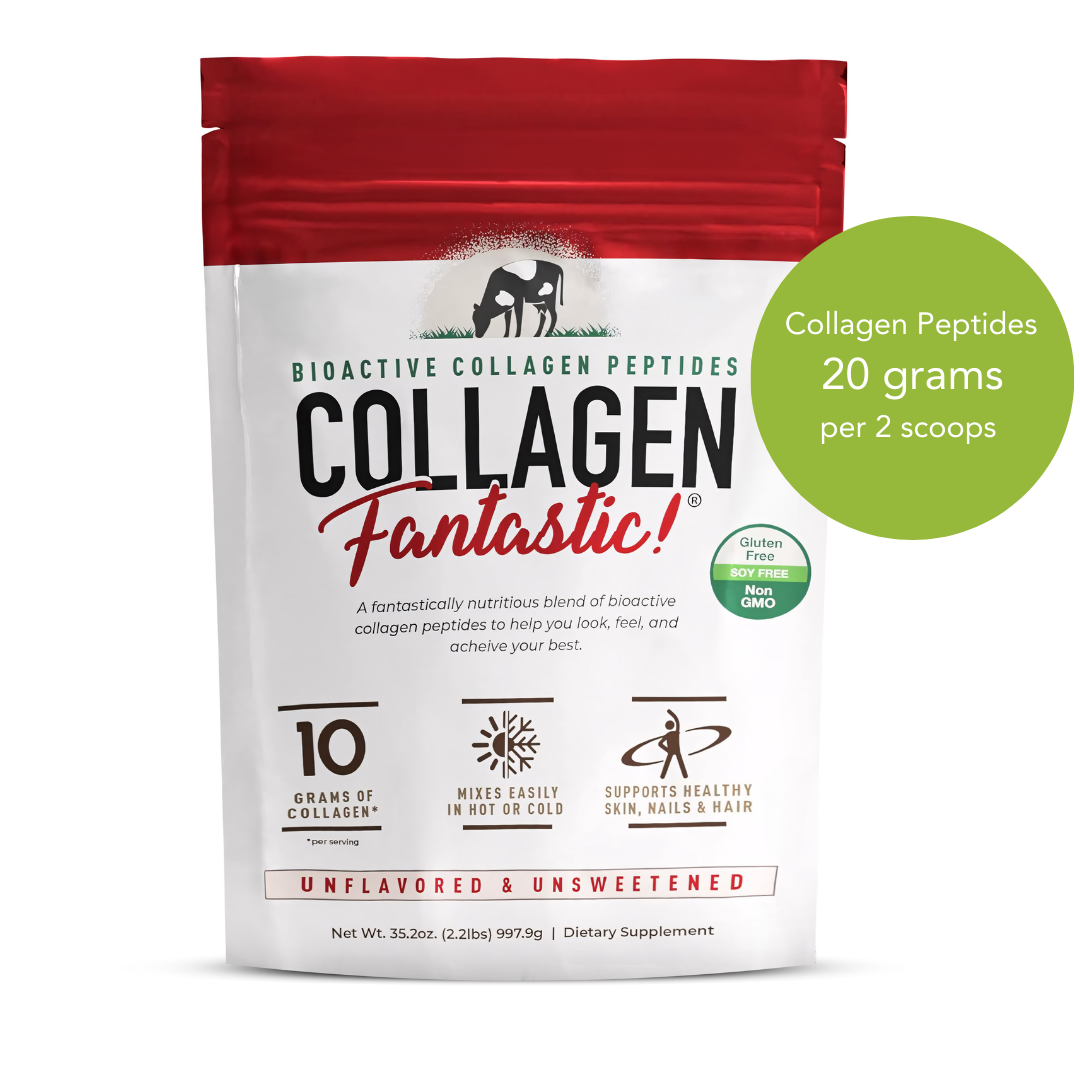
Collagen Fantastic supports joints and connective tissue.
-
Introduction: Strength After 40 Isn’t a Decline — It’s a Skill
Somewhere around 40, a lot of people start thinking strength has an expiration date.
They notice recovery takes longer.
They feel stiffer in the morning.
They don’t bounce back after workouts quite the same way.
And in the middle of a busy life, it can feel like training becomes a negotiation with your schedule, your joints, and your energy.
Here’s the truth I want to say clearly:
Aging is inevitable. Weakness is not.
Strength after 40 is not about chasing your younger body.
It’s about building the body that will carry you forward — with confidence, energy, and freedom.
The good news? Strength training and smart nutrition are more effective than ever in this decade, because they directly target the things that tend to decline with age: muscle mass, bone density, balance, and metabolic health. Ochsner Health System+2NIA+2
If your goal is to stay active for life — whether that means lifting, hiking, cycling, playing with your kids, or just moving through daily life without pain — then there are three things that matter most.
Let’s talk about them.
Why Strength Matters More After 40
Before we get into the “how,” it helps to understand the “why.”
After 40, your body starts going through predictable shifts:
-
Muscle mass slowly declines without resistance training (sarcopenia).
-
Bones become less dense if they aren’t loaded.
-
Protein use becomes less efficient (anabolic resistance).
-
Recovery slows because hormonal and connective-tissue repair takes longer.
These shifts are normal. But they’re not permanent fate — they’re signals to adapt.
The National Institute on Aging and other clinical bodies have consistently shown that strength training helps older adults maintain muscle and mobility, improve functional health, and preserve independence. NIA+1
And because this topic is so relevant, programs for older adults and longevity-based strength training are one of the top fitness trends for 2025. Australian Institute of Fitness+2DXB News Network+2
So you’re not behind. You’re right on time.
The 3 Things That Matter Most After 40
1. Muscle Maintenance and Strength Training
If there’s one thing to prioritize after 40, it’s this:
Keep building or maintaining muscle.
Muscle isn’t vanity tissue.
It’s metabolic armor.
Muscle supports:
-
Metabolism (more muscle = higher resting burn)
-
Blood sugar control and insulin sensitivity
-
Joint support and stability
-
Balance and fall prevention
-
Energy and stamina for daily life
-
Long-term independence and quality of life
Low muscle mass is strongly linked with increased risk of disability and loss of function as we age.
What strength training should look like after 40
You don’t need to train like a competitive athlete. You need a system you can sustain.
A great baseline:
-
2–4 days per week of resistance training
-
Focus on compound movements (squat, hinge, push, pull, lunge, carry)
-
Moderate volume, moderate intensity
-
Gradual progressive overload
-
Clean technique over ego weight
Multiple sources aimed at midlife training emphasize that consistent resistance work preserves muscle and bone health better than any other single fitness habit.
The mindset shift here
You’re not training to look a certain way at 40.
You’re training so your body still belongs to you at 70.
That’s a much more powerful goal.
2. Protein (and Smart Supplementation)
After 40, you don’t just need protein — you need enough protein, consistently.
Because of anabolic resistance, your muscles need a slightly bigger signal to grow or repair. In practical terms, that means most active adults benefit from higher protein intake than the old “minimum” guidelines.
A simple target
Most active adults after 40 do well with:
0.8–1.0 grams of protein per pound of bodyweight daily
Spread evenly across meals.
Example:
-
150 lb person → ~120–150 g/day
-
180 lb person → ~145–180 g/day
Why distribution matters
Instead of saving protein for dinner, aim for 25–40 grams per meal.
That gives your muscles repeated repair signals throughout the day.
Where Fantastic Nutrition fits naturally
This is exactly where supplements become convenience tools, not “shortcuts.”
-
Complete amino acid profile
-
High leucine content (key for muscle repair)
-
Simple way to hit protein targets when appetite or schedule is inconsistent

Creatine Fantastic
Creatine remains one of the most studied, safe, and effective supplements for strength and recovery — especially after 40. It supports ATP regeneration (muscle energy), improving strength output and training quality.

Our formula adds myHMB, which helps reduce muscle breakdown and supports recovery — a real advantage in midlife when protein synthesis and recovery aren’t as fast as they once were.
Collagen Fantastic
Connective tissue adapts more slowly than muscle, and joint comfort becomes a bigger limiting factor after 40. Collagen peptides support tendons, ligaments, cartilage, and fascia — the structures that keep training sustainable.

The bigger point
Protein and supplements aren’t about “getting huge.”
They’re about keeping your body responsive, resilient, and capable.
3. Recovery You Protect on Purpose
After 40, recovery isn’t a bonus. It’s the mechanism.
Training breaks tissue down.
Recovery builds it back stronger.
The more you respect recovery, the more progress you’ll make — with fewer aches, plateaus, or injuries.
What recovery means after 40
Recovery is not only rest days.
It includes:
-
Sleep quality
-
Stress management
-
Nutrition adequacy
-
Hydration
-
Mobility work
-
Deload weeks
-
Walking and low-intensity movement
Strength and mobility programs for older adults emphasize that sustainable results come from balancing training stimulus with recovery capacity.
Practical recovery upgrades
-
Add 5–8 minutes of mobility daily (hips, ankles, shoulders)
-
Take a deload week every 4–8 weeks
-
Walk on rest days to improve circulation
-
Get serious about bedtime consistency
The win: you keep training with fewer interruptions.
What to Stop Worrying About After 40
A big part of getting strong after 40 is letting go of stuff that doesn’t matter.
Here are the top energy-drainers to release.
1. “I Need to Train Every Day”
You don’t.
More isn’t always better anymore — better is better.
Three high-quality strength sessions per week with good recovery will outperform seven rushed, fatigued workouts.
Consistency wins. Not volume.
2. “If I Don’t Sweat Hard, It Doesn’t Count”
A workout counts if it builds your baseline.
Walking, mobility, light strength days — all of that supports the system.
Winter or not, training for longevity means respecting low-intensity work.
3. “I Have to Eat Less to Stay Lean”
After 40, under-eating is one of the fastest ways to lose muscle.
Instead, prioritize:
-
protein
-
quality carbs
-
healthy fats
-
adequate calories
-
strength training
Lean bodies are built with muscle + nourishment, not restriction.
4. “Heavy Weights Are Dangerous Now”
Heavy weights are not the danger.
Bad form and poor recovery are.
In fact, heavier resistance is one of the best protections against bone loss and muscle decline when done with control.
Lift within your ability, progress gradually, and you’ll be safer — not riskier.
5. “Getting Older Means Slowing Down”
Getting older means training smarter.
A strong 50-year-old isn’t someone who trains like a 25-year-old.
It’s someone who trains consistently, fuels properly, and recovers well.
That’s the real formula.
A Simple Weekly Blueprint for Strength After 40
Here’s a clean, realistic structure you can share as a practical framework:
3-Day Strength Template
Each workout includes:
-
Squat pattern
-
Hinge pattern
-
Push pattern
-
Pull pattern
-
Carry or core stability
Rotate rep ranges:
-
One day heavier / lower reps
-
One day moderate
-
One day higher reps / endurance
This aligns beautifully with your earlier blog on rep ranges, and it’s sustainable.
Add-ons (optional)
-
1–2 cardio sessions (walk, bike, zone 2)
-
10 minutes mobility most days
-
1 full rest day
That’s it. That’s the system.
The Bottom Line
After 40, getting strong isn’t about chasing youth.
It’s about building capacity.
And the capacity formula is simple:
-
Lift consistently to keep muscle.
-
Eat enough protein and support recovery with smart supplements.
-
Protect recovery like it’s part of training — because it is.
Strength training after 40 improves muscle mass, metabolism, mobility, and bone density — and supports independence and longevity.
That’s why longevity-focused strength training is one of the biggest fitness growth areas right now — people are realizing that strong is not a look. It’s a life skill.
Fantastic Nutrition’s role in that journey is simple: help people fuel the work.
-
Whey Protein for muscle repair and daily protein targets.
-
Creatine Fantastic for strength output and faster recovery.
-
Collagen Fantastic for connective tissue support that keeps training comfortable.
Because the goal isn’t to prove something to your body.
The goal is to take care of it — so it takes care of you for decades.
Frequently Asked Questions
1. How many days a week should I strength train after 40?
Most people thrive on 2–4 days per week, focusing on compound movements and recovery. More isn’t better if it compromises sleep or soreness.
2. Can I still build muscle after 40?
Yes — absolutely. With progressive overload, enough protein, and recovery, muscle growth is realistic at any age.
3. Do I need to lift heavy to stay strong?
You need some load, but not constant max effort. Mixing rep ranges (low/moderate/high) keeps muscles, joints, and nervous system adapting safely.
4. What supplements help most after 40?
The best-supported trio for active adults is:
-
Whey Protein to meet protein needs.
-
Creatine for energy, strength, and recovery.
-
Collagen for joints and connective tissue resilience.