


Key Takeaways
-
After 30–40, protein timing matters more because muscles become less responsive to smaller protein doses.
-
The simplest rule: aim for 25–40 grams of high-quality protein per meal, 3–4 times per day.
-
Protein at breakfast and post-workout are the two most impactful timing windows for energy, muscle retention, and recovery.
-
Consistent daily protein beats perfect timing — but timing helps when life gets busy or training increases.
-
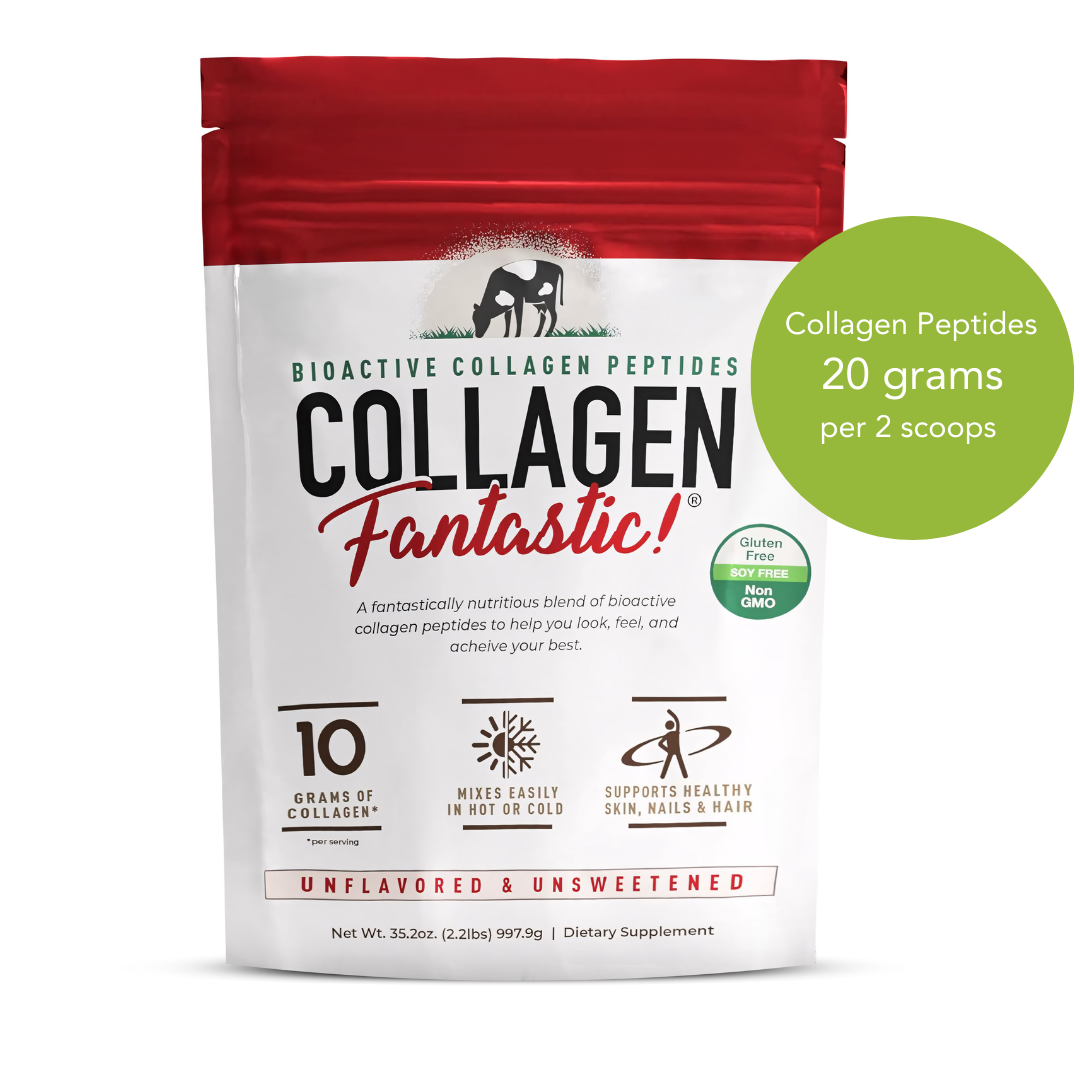
Whey Fantastic is an easy tool for hitting protein targets at key times without overcomplicating meals.
Introduction: The Protein Question Most People Get Wrong
If you’ve spent any time around fitness content, you’ve probably heard some version of this:
“Protein is important.”
True. But most people stop there.
The more useful question is:
When should I eat protein so it actually works for my body?
Because here’s the problem:
A lot of people eat enough protein some days, but they eat it unevenly.
They might have a light breakfast, a moderate lunch, and then a huge protein-heavy dinner. Or they train hard in the morning and don’t get protein until late afternoon.
That pattern feels normal — but it doesn’t support strength, recovery, or appetite the way it could.
Protein timing doesn’t need to be complicated or obsessive. You don’t need to calculate grams at every hour. You just need a simple rhythm that keeps your body in repair mode all day.
Let’s build that rhythm.
Why Protein Timing Matters More As You Age
In your 20s, your body is highly efficient at using protein to repair muscle.
In your 30s and beyond, it’s still efficient — but it needs a stronger signal.
This is called anabolic resistance: with age, your muscles need a bit more protein per meal to trigger the same repair and growth response.
What this means in real life:
-
A “light protein meal” that worked fine at 25 might barely register as a repair signal at 45.
-
Skipping protein earlier in the day makes recovery slower and cravings stronger later.
-
Uneven protein intake can lead to subtle muscle loss over time, even in active adults.
So protein timing isn’t about perfection.
It’s about giving your body multiple chances each day to repair and maintain strength.
The Big Picture Goal: A Steady Protein Rhythm
If there’s one “ideal” structure to aim for, it’s this:
Protein 3–4 times per day, evenly spread.
Why?
Because muscle repair happens best in waves.
Each meal acts like a repair “on switch.”
If you only flip that switch once (at dinner), you miss out on 2–3 opportunities to build or preserve muscle.
The simplest practical target:
-
25–40g protein per meal
-
3 meals + optional snack
This gets most active adults to an optimal daily range without tracking stress.
The Three Most Important Protein Timing Windows
Let’s talk about the moments that matter most — and why.
1. Breakfast Protein: Your Biggest Daily Advantage
Breakfast is the most under-protected protein window for most adults.
A common pattern:
-
coffee
-
maybe toast or fruit
-
not much protein
-
later crash
-
afternoon cravings
-
overeating at night
Protein at breakfast changes the entire day.
Benefits of a protein-forward breakfast:
-
stabilizes blood sugar
-
supports muscle protein synthesis early
-
reduces cravings later
-
improves focus and mood
-
makes it easier to hit daily targets
If you only fix one timing window, start here.
Easy breakfast protein ideas:
-
Greek yogurt + berries + nuts
-
eggs + toast + avocado
-
oatmeal mixed with a scoop of Whey Fantastic
-
smoothie with Whey Fantastic + fruit
-
cottage cheese + fruit
-
tofu scramble
Even 25–30g at breakfast makes a noticeable difference.
2. Post-Workout Protein: The Recovery Anchor
Your body is most ready to repair right after training. This doesn’t mean you need to chug a shake within 10 minutes or “miss the window.” That idea is outdated and overhyped.
But getting protein within about 1–2 hours after training is still a reliable habit for:
-
reducing soreness
-
speeding repair
-
supporting strength adaptation
-
improving next-day energy
How much?
Aim for 25–40g after lifting or hard cardio.
If you’re training fasted or early morning, this window matters even more.
This is where Whey Fantastic shines: it’s fast, complete, and easy to reach a full recovery dose without needing a full meal immediately.
3. Evening Protein: Muscle Maintenance While You Sleep
Sleep is your biggest recovery block.
Adding protein to dinner or an evening snack supports slow overnight repair. This matters especially if:
-
your training volume is high
-
you’re in your 40s+
-
you tend to wake up hungry
-
you’re trying to maintain muscle while leaning out
You don’t need a heavy fourth meal. Just a protein-containing finish to your day.
Examples:
-
Greek yogurt with cinnamon
-
a small whey shake
-
cottage cheese + fruit
-
leftover protein from dinner
-
tofu pudding
-
turkey slices + crackers
What About “Protein Before Workout”?
Protein before training isn’t mandatory, but it can help if:
-
you train before a long gap between meals
-
you do early morning workouts
-
you struggle with energy during sessions
A simple pre-workout snack with 10–20g protein + carbs works well:
-
half shake + banana
-
yogurt + granola
-
toast + nut butter + whey in coffee
-
smoothie
The carbs help energy, and the protein reduces breakdown.
How Protein Timing Supports Appetite Control
Most people think protein timing is about muscles only.
But honestly, the most immediate benefit many clients notice is cravings shifting.
Protein affects hunger hormones, blood sugar stability, and satiety. When you spread protein through the day:
-
you snack less mindlessly
-
you feel less “urgent hunger”
-
you handle holiday or social eating better
-
you stay more in control without fighting yourself
That’s why breakfast protein is so powerful. It sets hunger chemistry for the whole day.
How To Time Protein Without Tracking
You don’t need to measure grams every time. Here are realistic “visual targets.”
25–40g protein usually looks like:
-
a palm-and-a-half of chicken/fish
-
2–3 eggs + Greek yogurt
-
1 scoop whey + milk + add-ins
-
1 cup cottage cheese
-
1 tofu block portion
-
1+ cups beans/lentils plus some grains
If you include a clear protein source at every meal, you’ll naturally hit the timing rhythm.
Protein Timing for Different Goals
Goal: Strength and Muscle
-
3–4 protein exposures daily
-
post-workout dose consistent
-
breakfast protein non-negotiable
-
slightly higher daily total
Goal: Fat Loss Without Losing Muscle
-
protein evenly spread
-
don’t “save it all for dinner”
-
protein snacks when meals are small
-
prioritize protein first at meals
Goal: Endurance + Strength Combo
-
protein after cardio days too
-
steady daily intake keeps recovery stable
-
carbs around harder sessions
-
protein at breakfast protects muscle through higher activity volume
Goal: Healthy Aging and Longevity
-
slightly higher protein per meal
-
consistent distribution
-
combine with resistance training
-
supplement if appetite/digestion makes it tough
The structure stays the same. The total may vary slightly.
Why Whey Protein Is a Timing Tool, Not a “Gym Thing”
Whey sometimes gets treated like a bodybuilding ingredient.
But for active adults, it’s simply a high-quality, convenient protein that helps you hit timing windows more easily.
Whey Fantastic helps because:
-
it’s complete (all essential amino acids)
-
rich in leucine (repair trigger)
-
fast-digesting
-
easy to mix into meals
-
low effort on busy days
If your day gets chaotic, whey lets you keep your protein rhythm without needing perfect meals.
It’s a consistency tool.
Common Protein Timing Mistakes
Mistake 1: Eating Most Protein at Dinner
This is the most common pattern.
Fix: move some protein earlier (breakfast + lunch).
Mistake 2: Under-protein Breakfast
Fix: add one clear protein source or a whey scoop.
Mistake 3: Skipping Protein After Training
Fix: keep a Whey Fantastic fallback option.
Mistake 4: Thinking Timing Matters More Than Total Intake
Total protein per day is the foundation. Timing enhances it.
Fix: prioritize daily total first, then rhythm.
Mistake 5: Going Too Low Protein During Busy Weeks
Busy weeks increase stress and recovery needs.
Fix: use supplements when meals are unpredictable.
A Simple Daily Protein Schedule (Example)
This is not a strict plan — just a clean model.
Breakfast (25–35g)
Oats + whey + berries
OR eggs + yogurt
OR smoothie with whey
Lunch (30–40g)
Chicken/fish/tofu salad bowl
OR turkey sandwich + side
OR beans + grains + extra protein
Snack (optional 15–25g)
Greek yogurt
OR whey shake
OR cottage cheese
OR protein bar
Dinner (30–40g)
Salmon + veggies + potatoes
OR lean steak + rice + greens
OR tofu stir-fry
If you hit those anchors, timing takes care of itself.
The Bottom Line
Protein timing doesn’t need to turn into a full-time job.
The rule that works for almost everyone after 30–40:
Eat protein 3–4 times per day, 25–40g per meal, and don’t skip breakfast or post-workout recovery.
That simple rhythm supports:
-
strength
-
lean muscle maintenance
-
metabolism
-
appetite control
-
recovery
-
long-term performance
And if you want the easiest way to keep that rhythm when life is busy:
Whey Fantastic makes protein timing simple instead of stressful.
Frequently Asked Questions
1. Do I really need protein right after a workout?
You don’t need to rush it within minutes, but getting 25–40g within 1–2 hours supports recovery and muscle adaptation, especially after lifting.
2. Is breakfast protein more important than dinner protein?
Both matter, but breakfast protein is often the biggest missed opportunity. It stabilizes hunger and helps preserve muscle by starting repair early in the day.
3. Can I hit my protein needs without supplements?
Yes, but many active adults find it hard to hit optimal totals and timing every day using food alone. Whey makes it easier and more consistent.
4. How much protein per meal is “enough” after 40?
Most people do best with 25–40g per meal to fully trigger muscle protein synthesis, due to age-related anabolic resistance.