



Key Takeaways
-
Under-fueling happens when your food intake doesn’t match your training and daily energy demands — even if you’re eating “healthy.”
-
The most common signs are subtle: low energy, stalled progress, cravings, poor sleep, lingering soreness, and mood changes.
-
Many active adults unknowingly under-fuel by skipping carbs, under-eating at breakfast, or failing to increase intake as training increases.
-
Strength and endurance both suffer when energy availability is low — and recovery becomes the limiting factor.
-
The fix is not willpower or harder training; it’s smarter fueling, especially protein consistency and workout-supported carbs.
Introduction: Why Under-Fueling Is So Common (Even in “Healthy” People)
If you’re training consistently but feel:
-
more tired than you think you should be
-
sore for longer than normal
-
hungry at weird times
-
stuck in a plateau
-
less motivated
-
or like your body isn’t responding the way it used to
there’s a good chance you’re not overtraining.
You’re under-fueling.
Under-fueling doesn’t always look like extreme restriction. In fact, most people who under-fuel don’t feel like they’re dieting at all. They’re just:
-
busy
-
trying to “eat clean”
-
cutting carbs without realizing it
-
eating smaller portions than their body needs
-
training more without adjusting food
-
skipping meals because life gets hectic
The result is low energy availability — meaning your body doesn’t have enough fuel left over after training to support recovery, hormones, immunity, and normal daily function.
This is one of the most overlooked reasons active adults stop making progress.
So let’s get clear on what under-fueling actually is, how it shows up, and what to do about it.
What Under-Fueling Really Means
Under-fueling is not just “eating too little.”
It’s eating too little for your output.
Two people can eat the exact same amount of food and have totally different outcomes based on:
-
training volume
-
daily movement
-
stress
-
sleep
-
age
-
body size
-
recovery needs
Your needs aren’t fixed. They shift with your life.
Under-fueling happens most often when your activity increases but your food stays the same — or even decreases.
Example:
You used to train 2 days a week and walk casually.
Now you lift 4 days a week and added Zone 2 cardio.
But your meals didn’t change.
Your body now runs a daily deficit without your awareness.
You might still be eating “enough to feel full.”
But you’re not eating enough to recover and adapt.
The Difference Between “Tired From Training” and Under-Fueling
Training should create a good kind of tired:
-
you feel worked
-
you feel accomplished
-
you can bounce back within a day or two
-
your performance trends upward over weeks
Under-fueling creates a different fatigue:
-
low energy before workouts
-
workouts feel harder than they should
-
soreness lasts longer
-
progress stalls
-
you feel flat despite consistency
If training used to feel empowering and now feels like survival, that’s a flag.
The Most Common Signs of Under-Fueling
Under-fueling rarely shows up as one dramatic symptom.
It’s usually a cluster of “little things” that add up.
Here are the biggest ones.
1. You’re Chronically Tired (Even When You Sleep)
This is the classic sign.
Not “I’m a little tired from life.”
More like:
-
you wake up tired
-
afternoons feel like a crash
-
workouts feel like a push
-
caffeine stops working
-
you feel drained after training instead of energized
Your body is doing math all day.
If fuel is low, it cuts corners.
Energy is the first system it reduces.
2. You’re Not Recovering Between Workouts
Under-fueling is one of the fastest ways to make normal training feel like overtraining.
Signs:
-
soreness lasts 3–5 days
-
joints feel more sensitive than usual
-
fatigue stacks week over week
-
you dread sessions that used to feel manageable
-
progress feels like it’s moving backwards
Your body needs energy to rebuild.
No fuel, no recovery.
3. Your Performance Is Flat or Declining
You’re still showing up.
But the weights aren’t moving.
Your endurance isn’t improving.
Your sessions feel harder.
This isn’t always a programming issue.
Sometimes the simplest explanation is the right one:
You’re asking your body to adapt without giving it the raw materials.
4. Your Mood Is Lower or More Irritable
Under-fueling affects your brain quickly.
Low energy availability can show up as:
-
irritability
-
anxiety spikes
-
low motivation
-
“I don’t feel like myself”
-
feeling overwhelmed more easily
-
reduced patience
Food isn’t just muscle fuel.
It’s neurotransmitter support.
When fuel is low, mood often goes with it.
5. You’re Cold More Often Than You Used To Be
This one surprises people.
Feeling cold — especially hands and feet — can signal your body is conserving energy.
It’s a subtle metabolic downshift.
Not everyone experiences this, but when combined with other signs, it matters.
6. Your Sleep Gets Worse
This feels backwards to many people.
They think:
“I’m tired, so I should sleep better.”
But under-fueling can actually disrupt sleep because:
-
cortisol stays elevated
-
your body perceives scarcity
-
hunger hormones spike overnight
-
blood sugar stability drops
Signs include:
-
trouble falling asleep
-
waking up at 2–4 a.m.
-
restless sleep
-
vivid stressful dreams
-
waking hungry
If your sleep quality dropped after training increased or carbs decreased, this is a major clue.
7. You Have Strong Cravings (Especially at Night)
Cravings aren’t weakness.
They’re a biological response.
Under-fueling often creates:
-
carb cravings
-
sugar cravings
-
“snacky” hunger
-
late-night eating urges
-
feeling out of control around food
Your body wants fast fuel because it’s behind.
The fix is not more restriction — it’s more consistent intake earlier in the day.
8. Your Hunger Signals Feel Weird
Under-fueling doesn’t always mean constant hunger. In fact, some people lose normal hunger cues.
You might notice:
-
not hungry all day, then starving at night
-
appetite swings based on stress
-
feeling full quickly but still fatigued
-
“phantom hunger” that feels more like cravings
Chronic low intake can dull hunger cues — especially in busy adults.
So don’t use appetite alone as your fuel gauge.
9. You Get Sick More Often
Your immune system requires energy.
Low energy availability reduces immune function, meaning:
-
more colds
-
longer recovery from minor illness
-
feeling run down after travel
-
lingering sinus or throat stuff
If you’re training consistently but catching everything, under-fueling might be part of the picture.
10. Your Body Composition Feels Stuck
This is the ironic one.
People often under-fuel because they want to lean out.
But chronic under-fueling can lead to:
-
stalled fat loss
-
reduced muscle gain
-
plateaued physique
-
softer look despite training
-
water retention from stress hormones
Your body doesn’t thrive in scarcity.
It survives.
Progress requires fuel.
11. Your Resting Heart Rate Is Elevated (or Your HR Spikes Easily)
When your body is stressed, your cardiovascular system reflects it.
Signs:
-
resting heart rate creeping up
-
higher heart rate at normal training pace
-
feeling breathless earlier
-
poor heart-rate recovery
This can look like “I need more cardio,”
when in reality you need more fuel.
12. For Women: Menstrual Changes
Irregular cycles, lighter cycles, missing cycles, or increased PMS can signal low energy availability.
Hormone systems are energy-sensitive.
Your body prioritizes survival over reproduction when fuel is uncertain.
Even subtle shifts matter.
13. For Men: Reduced Libido or “Flat” Drive
Men can experience hormonal effects too, but the signals are quieter.
Common signs:
-
lower libido
-
low morning energy
-
reduced drive in training
-
muscle gain feels harder
-
mood dullness
Under-fueling affects testosterone and overall hormonal tone in men as well.
Why Under-Fueling Happens So Easily
Let’s name the most common patterns — because this is where your readers will recognize themselves.
Pattern 1: Training Increases, Food Doesn’t
The most classic scenario.
Someone adds:
-
more lifting days
-
cardio
-
longer sessions
-
weekend hikes
-
extra daily steps
…but their meals stay the same.
What used to be maintenance is now a deficit.
Pattern 2: “Eating Clean” Shrinks Calories Without Meaning To
People swap out foods like:
-
rice → salad only
-
regular yogurt → low-fat + smaller serving
-
full meals → “snack plates”
-
real breakfast → coffee and fruit
They don’t feel like they’re dieting.
But intake drops dramatically.
Pattern 3: Carbs Get Cut Too Low
Carbs are often the first thing people reduce to “get lean.”
But if you lift and move a lot, carbs are fuel.
Low-carb training often produces:
-
flat workouts
-
slower recovery
-
cravings
-
sleep disruption
-
plateaued performance
Carbs aren’t the enemy.
Under-fueling them is the problem.
Pattern 4: Busy Life + Skipped Meals
Adults in this demographic commonly under-fuel through logistics:
-
meeting-heavy days
-
commuting
-
kid schedules
-
travel
-
stress
-
inconsistent meal access
They don’t plan to under-eat.
Life just gets in the way.
The Under-Fueling vs Overtraining Confusion
These two feel similar because the end result looks the same:
-
fatigue
-
soreness
-
plateaus
-
mood dips
The difference is which lever fixes it.
If you’re overtraining, reducing volume helps quickly.
If you’re under-fueling, reducing training makes you feel better temporarily — but the real fix is increasing intake.
A simple question:
Did your fatigue start after you increased training or reduced food?
If yes, under-fueling is likely part of the equation.
How to Fix Under-Fueling Without Overcomplicating Life
You don’t need a strict diet plan.
You need a few smart anchors.
Step 1: Start With Protein Consistency
Aim for:
25–40 grams per meal, 3–4 times per day
Protein protects muscle, strengthens recovery, improves satiety, and stabilizes energy.
If appetite is low or time is tight:
Whey Fantastic is your easiest rescue tool.
One scoop gives you a full protein anchor with minimal effort.

Step 2: Add Carbs Back Around Training
If your workouts feel flat, this is often the missing link.
Start with:
-
a carb source pre-workout
-
a carb source post-workout
Examples:
-
fruit
-
oats
-
rice or potatoes
-
bread or wraps
-
beans
-
pasta
You don’t need huge amounts.
Just enough to give training fuel a job.
Step 3: Don’t Let Breakfast Be Optional
Breakfast protein + carbs stabilizes the entire day.
Under-fueling is often a morning problem that shows up at night.
Aim for a real breakfast within 1–2 hours of waking.
Even a shake + fruit counts.
Step 4: Use a “Training Day and Rest Day” Rhythm
This removes mental stress.
-
Training days: slightly higher carbs and total intake
-
Rest days: still eat, just a touch lighter
Not a punishment.
Just a rhythm matched to output.
Step 5: Track for One Week (Only If You Need Clarity)
Many people don’t realize how little they’re eating until they look.
You don’t need lifelong tracking.
But a one-week check-in can reveal:
-
low protein totals
-
tiny breakfasts
-
carb deficit
-
long gaps without food
-
“snack meals” that don’t add up
Use it as information, not judgment.
Step 6: Support Recovery With Smart Supplementation
This is where your product stack fits naturally.
-
Whey Fantastic makes protein anchors realistic.
-
Creatine Fantastic supports training output and recovery — especially valuable when you’ve been under-fueled and performance has dipped.
-
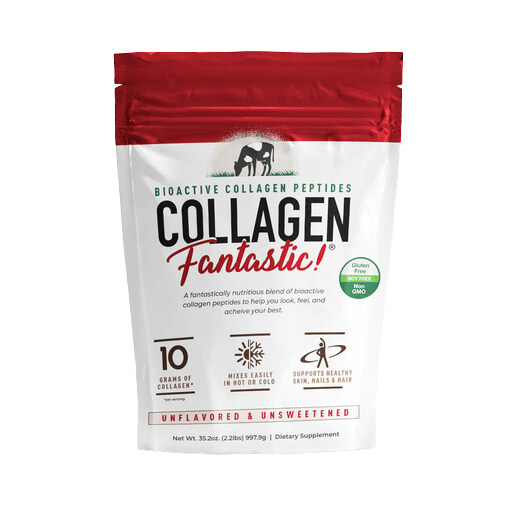
Collagen Fantastic supports joints and connective tissue as volume returns and training intensity climbs again.
These aren’t shortcuts.
They’re consistency supports.
What to Expect When You Start Fueling Enough Again
Important: the body needs time to trust increased intake.
In the first 1–2 weeks you might notice:
-
more stable energy
-
better workouts
-
improved mood
-
better sleep
-
reduced cravings
You might also notice:
-
a little scale fluctuation
-
fuller muscles
-
more hydration
That’s not fat gain.
That’s your body refueling glycogen and rebuilding tissue.
It’s a good sign.
The Bottom Line
Under-fueling is sneaky because it often hides behind “healthy habits.”
But the signs are clear once you know them:
-
chronic fatigue
-
slow recovery
-
stalled performance
-
cravings
-
mood dips
-
sleep disruption
-
frequent illness
-
body composition plateaus
Your body can’t adapt on empty.
If you want to train for strength, longevity, and a life that feels energized — fueling is part of the training.
Eat enough to support the work.
That’s not indulgence.
That’s strategy.