



Key Takeaways
-
Caffeine can meaningfully improve strength performance, focus, and workout quality when used strategically.
-
The sweet spot for most active adults is about 3–6 mg per kg of bodyweight, taken 30–60 minutes before training.
-
More caffeine isn’t better — too much increases jitters, anxiety, poor sleep, and recovery debt.
-
Your biggest performance win comes from timing + consistency, not max dosing.
-
If caffeine is affecting sleep, appetite, or mood, it’s hurting performance even if it “feels” helpful in the moment.
Introduction: Caffeine Is a Tool, Not a Personality Trait
Caffeine is one of the most widely used performance enhancers on earth — and for good reason. It improves alertness, delays fatigue, and boosts training output in both strength and endurance work.
But caffeine is also one of the easiest tools to misuse.
Most people fall into one of two categories:
-
They barely use caffeine and wonder why workouts feel flat.
-
They use caffeine constantly and wonder why they feel anxious, tired, or stuck.
The goal isn’t to become a caffeine minimalist or a caffeine maximalist.
The goal is to make caffeine work for your training and your daily life.
Let’s break down what caffeine actually does, how to dose it for strength goals, and how to avoid the crash-and-burn cycle that sneaks up on a lot of active adults.
What Caffeine Actually Does in the Body
Caffeine works mainly by blocking adenosine — a brain chemical that builds fatigue and sleepiness throughout the day. When adenosine is blocked:
-
mental alertness increases
-
perceived effort decreases
-
reaction time improves
-
your nervous system is more “on”
-
you feel more willing to push intensity
In training, that shows up as:
-
slightly heavier lifts
-
more reps at the same weight
-
better focus on technique
-
more energy late in the session
-
improved “training drive”
It’s not magic. It’s nervous system support.
Why Caffeine Helps Strength Training Specifically
Strength output relies heavily on your nervous system.
Caffeine supports neural drive, which can lead to:
-
more force per rep
-
better recruitment of fast-twitch fibers
-
higher training quality
-
stronger performance under fatigue
-
improved motivation and intent
If you’ve ever noticed that a workout feels easier after coffee, that’s not in your head.
It’s physiology.
How Much Caffeine to Use for Performance
Here’s the practical range most research and coaching experience land on:
3–6 mg per kg of bodyweight
taken 30–60 minutes before training
Easy conversions
-
150 lb (68 kg) → 200–400 mg
-
180 lb (82 kg) → 250–500 mg
-
200 lb (91 kg) → 275–550 mg
You do not need the top end of that range to benefit.
In fact, many adults perform best closer to:
2–4 mg/kg
especially if they’re caffeine-sensitive or training later in the day.
What This Looks Like in Real Life
Approximate caffeine amounts:
-
8 oz brewed coffee: ~80–120 mg
-
espresso shot: ~60–80 mg
-
black tea: ~40–60 mg
-
energy drink (varies wildly): ~120–300 mg
-
caffeine tablet: typically 100–200 mg
So a strong pre-workout might be:
-
1–2 cups of coffee
-
or one energy drink
-
or a 150–250 mg caffeine dose
The Most Important Variable: Timing
Caffeine peaks in the bloodstream about 30–60 minutes after ingestion.
So the simplest timing rule:
Take caffeine 30–60 minutes before your hardest training.
If you need a gentle ramp:
-
sip coffee during warm-up
-
or split your dose (half pre, half during)
For very early workouts, even 15–20 minutes pre-training can still help — especially with liquid caffeine.
The Safety Ceiling Most People Ignore
Caffeine is powerful, but your body has a daily tolerance window.
For most healthy adults:
~400 mg/day is a practical upper limit.
Some people handle more, some less.
But once you’re above that range daily, performance gains drop while side effects climb.
Think of caffeine like training volume:
-
a little helps
-
the right amount helps more
-
too much becomes a stressor
Signs You’re Using Too Much Caffeine
This is where caffeine turns from performance tool to recovery thief.
If you notice any of these regularly, your dose is too high:
-
jittery hands
-
elevated anxiety
-
irritability
-
racing thoughts
-
stomach discomfort
-
rapid heart rate
-
sweating early in workouts
-
“wired then tired” crash
-
sleep disruption
-
needing caffeine just to feel normal
The most important one:
If caffeine affects your sleep, it is hurting your training.
Sleep is where muscle adapts.
A great workout with bad sleep is a net loss.
The Caffeine–Sleep Tradeoff (And How to Win It)
Caffeine has a long half-life.
Meaning half of it is still in your system hours later.
A simple rule for most adults:
Avoid caffeine within 8–10 hours of bedtime.
If you sleep at 10 pm, your last caffeine is ideally before noon-2 pm.
Training late in the day?
Go lower dose or choose a smaller, earlier coffee.
Because no pre-workout boost outweighs a night of wrecked sleep.
The “Tolerance Trap”
Caffeine works best when you’re not numb to it.
If you take the same high dose every day:
-
the performance effect shrinks
-
you need more to feel the same
-
withdrawals start on low-caffeine days
-
mood depends on the next cup
-
sleep quality erodes over time
This is tolerance.
How to avoid it
-
keep daily caffeine moderate
-
don’t stack caffeine all day long
-
take 1–2 low-caffeine days per week if you can
-
avoid “double pre-workout” habits
You don’t need to quit caffeine.
You just need to keep it effective.
Caffeine and Appetite
Caffeine can blunt appetite early, then rebound hard later.
That’s fine if you’re fueling well.
But if you’re busy and under-eating, caffeine can silently push you into under-fueling.
Signs caffeine is messing with intake:
-
you skip breakfast because coffee “kills hunger”
-
you get ravenous at night
-
cravings spike late afternoon
-
recovery feels off
Fix:
-
pair caffeine with protein
-
eat breakfast even if small
-
don’t replace meals with coffee
Caffeine for People Over 40
Caffeine can be especially helpful after 40 because:
-
morning energy can feel lower
-
recovery and nervous system “turn-on” take longer
-
training volume needs better support
-
focus is more valuable than pure intensity
But this is also the decade where sleep becomes more sensitive.
So after 40, caffeine strategy is less about “how much can I tolerate” and more about:
“how much helps without stealing sleep.”
The Best Ways to Use Caffeine for Strength
Strategy 1: Save caffeine for your hardest sessions
Use it for:
-
heavy strength days
-
high-volume sessions
-
long workouts
-
days you’re low energy but still training
Easy recovery days?
Lower caffeine or skip.
Strategy 2: Start with a mid dose
If you’re not sure what works:
Start around 150–200 mg, evaluate.
-
If you feel focused and strong: that’s your dose.
-
If you feel jittery: go lower.
-
If you feel nothing: go slightly higher.
Strategy 3: Pair caffeine with hydration
Caffeine doesn’t “dehydrate you massively,” but it can increase fluid loss slightly.
If you train caffeinated:
-
drink water before and during training
-
especially if it’s hot or you’re sweating heavily
Hydration + caffeine = cleaner energy.
How Fantastic Nutrition Fits a Smart Caffeine Routine
Caffeine works best when your fundamentals are solid.
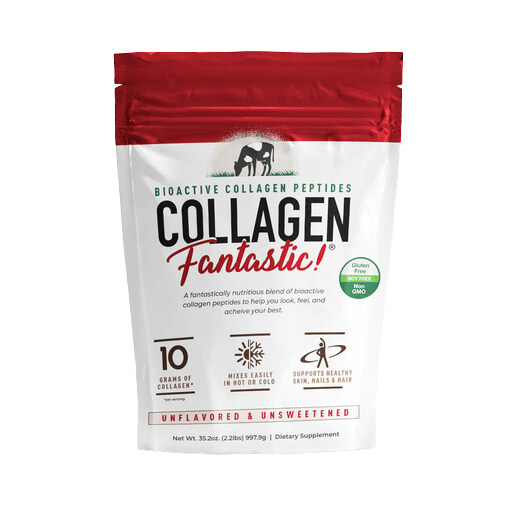
Collagen Fantastic
A harder, more caffeinated training phase can mean:
-
higher load
-
more reps
-
more tendon demand
Try mixing Collagen Fantastic directly into your coffee. The hit of protein will also help curb any spikes and crashes.
 Collagen supports the connective tissue that makes higher-quality training sustainable.
Caffeine helps you train better.
Your nutrition stack helps you adapt better.
Common Caffeine Mistakes
Mistake 1: Using caffeine to fix chronic sleep debt
Fix: caffeine is a tool, not a replacement for recovery.
Mistake 2: Taking a huge dose for every workout
Fix: reserve bigger doses for harder sessions or taper down.
Mistake 3: Drinking coffee on an empty stomach
Fix: add a small protein or carb snack first.
Mistake 4: Stacking caffeine with high stress
Fix: lower dose on high-stress days.
Mistake 5: Thinking withdrawal means you “need” caffeine
Fix: that’s tolerance talking. Take a lower-caffeine day.
The Bottom Line
Caffeine is one of the simplest tools to improve workout quality.
Used well, it can:
-
increase strength output
-
improve session focus
-
reduce perceived fatigue
-
support training consistency
Used poorly, it can:
-
disrupt sleep
-
increase anxiety
-
worsen recovery
-
dull your performance over time
The winning formula is simple:
moderate dose + smart timing + protected sleep + consistent fuel.
That’s how caffeine becomes a performance advantage, not a hidden liability.
Frequently Asked Questions
1. What’s the best caffeine dose for lifting?
Most people do best with about 3–6 mg/kg bodyweight, taken 30–60 minutes pre-workout. Many adults feel great closer to 2–4 mg/kg.
2. Can caffeine hurt recovery?
Yes, if it disrupts sleep or pushes you into under-fueling. The recovery cost outweighs any short-term performance boost.
3. Should I take caffeine every day?
You can, but performance benefits shrink if daily doses are high. A couple of lower-caffeine days weekly often keeps it more effective.
4. Is coffee as effective as pre-workout?
Yes, if the caffeine dose is similar. Pre-workout just standardizes the amount. Coffee can work just as well when measured.